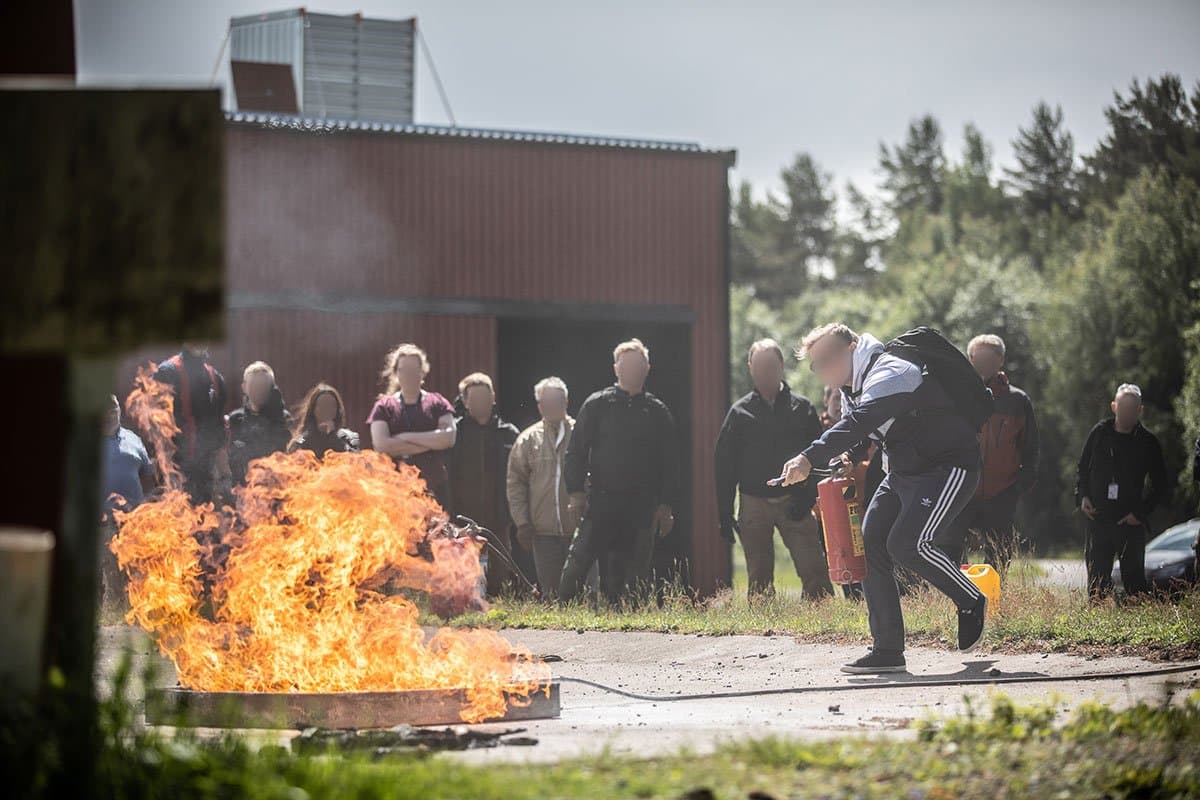
Companies and industry
Work environment responsibility, business travel and personnel who need to act before the ambulance arrives.
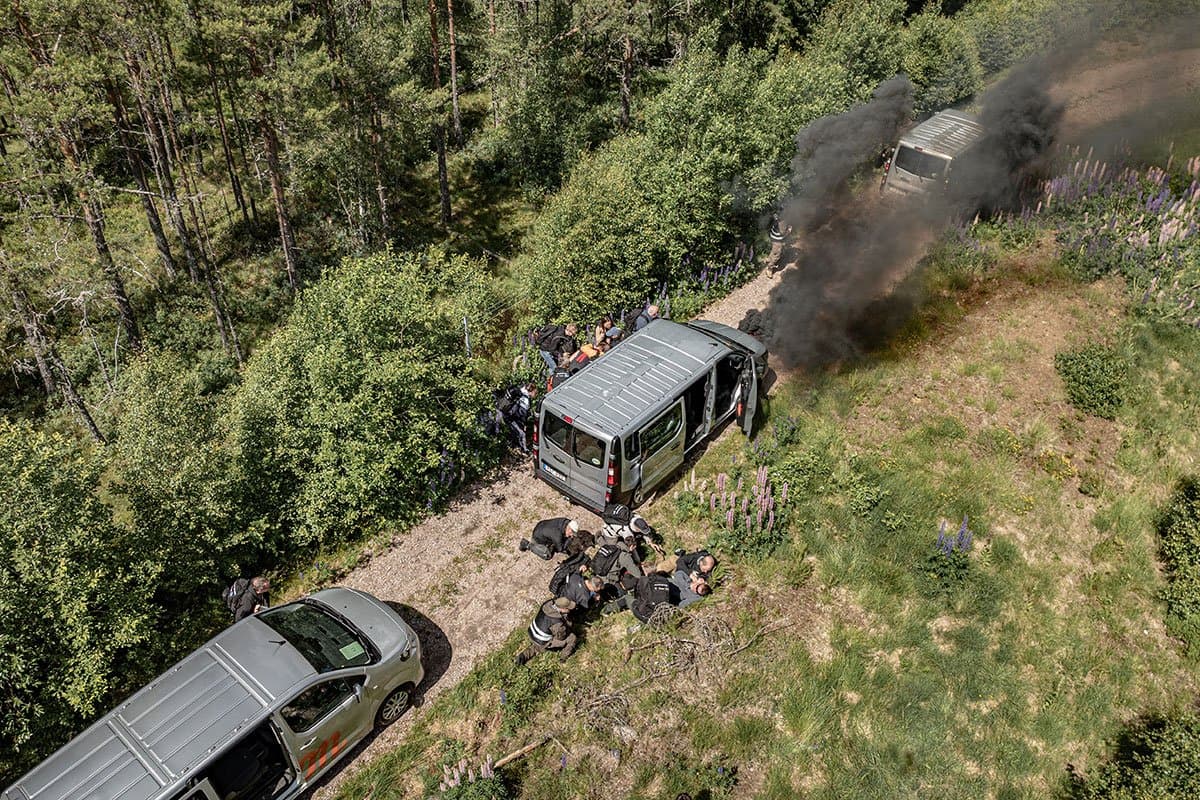
Practical safety training that holds up under stress — at the workplace, in the field and on business travel. All our instructors are licensed ambulance nurses.
Several with experience from air ambulance, international deployments and government assignments.
What we run
From half a day of first aid to complete travel security programmes (DRT I & II). Content, pace and scenarios are set by your risk picture.
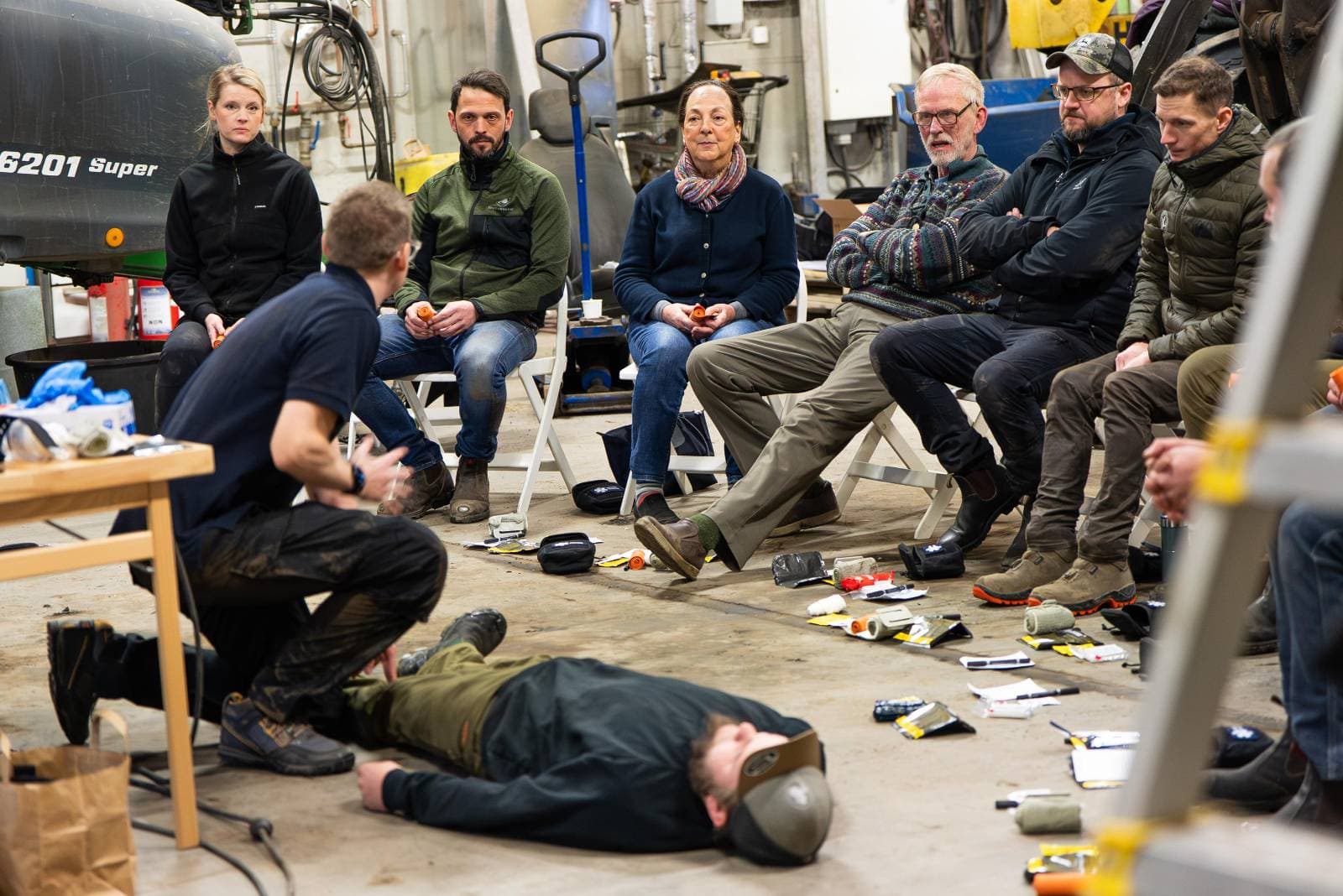
Primary care for every workplace. LABCDE, CPR and defibrillator.
Read more
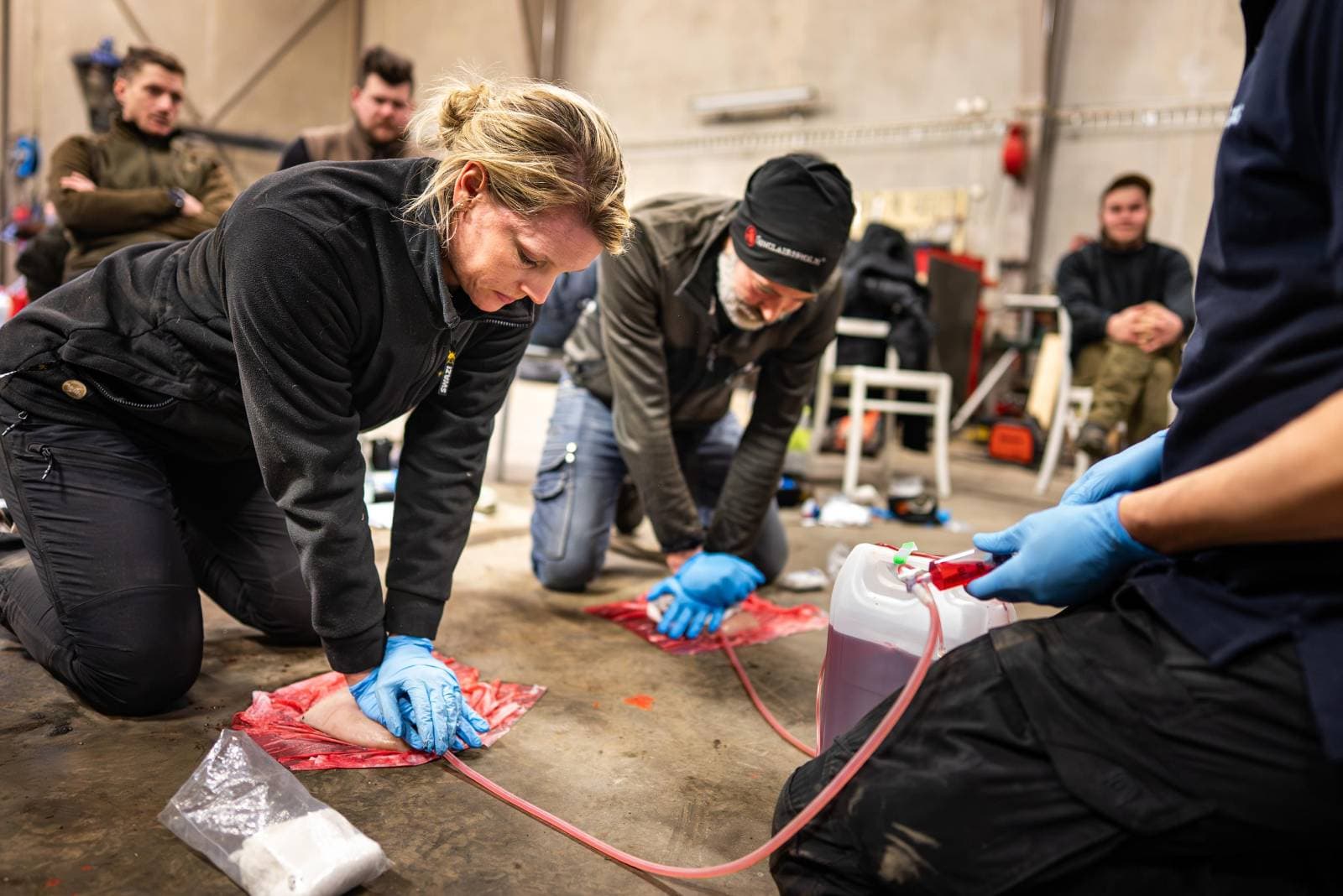
Before the ambulance arrives.
Read more
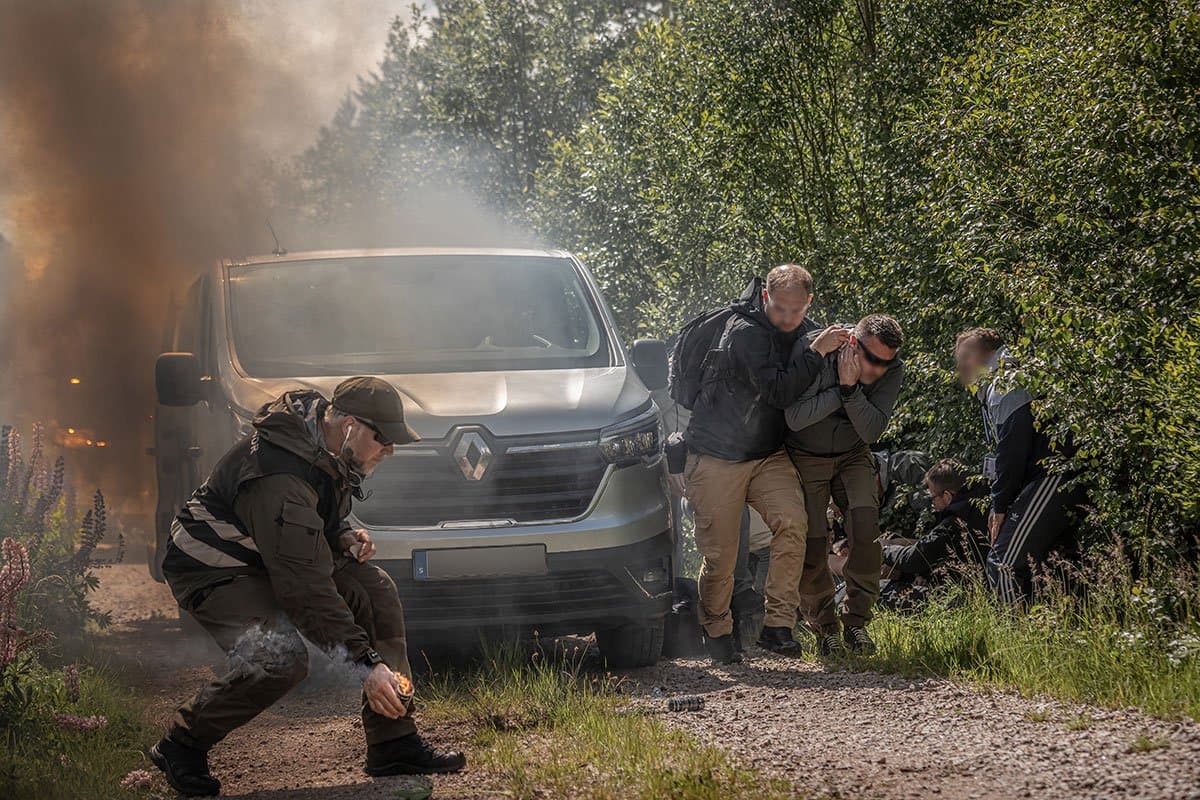
Prevent, decide and act.
Read more
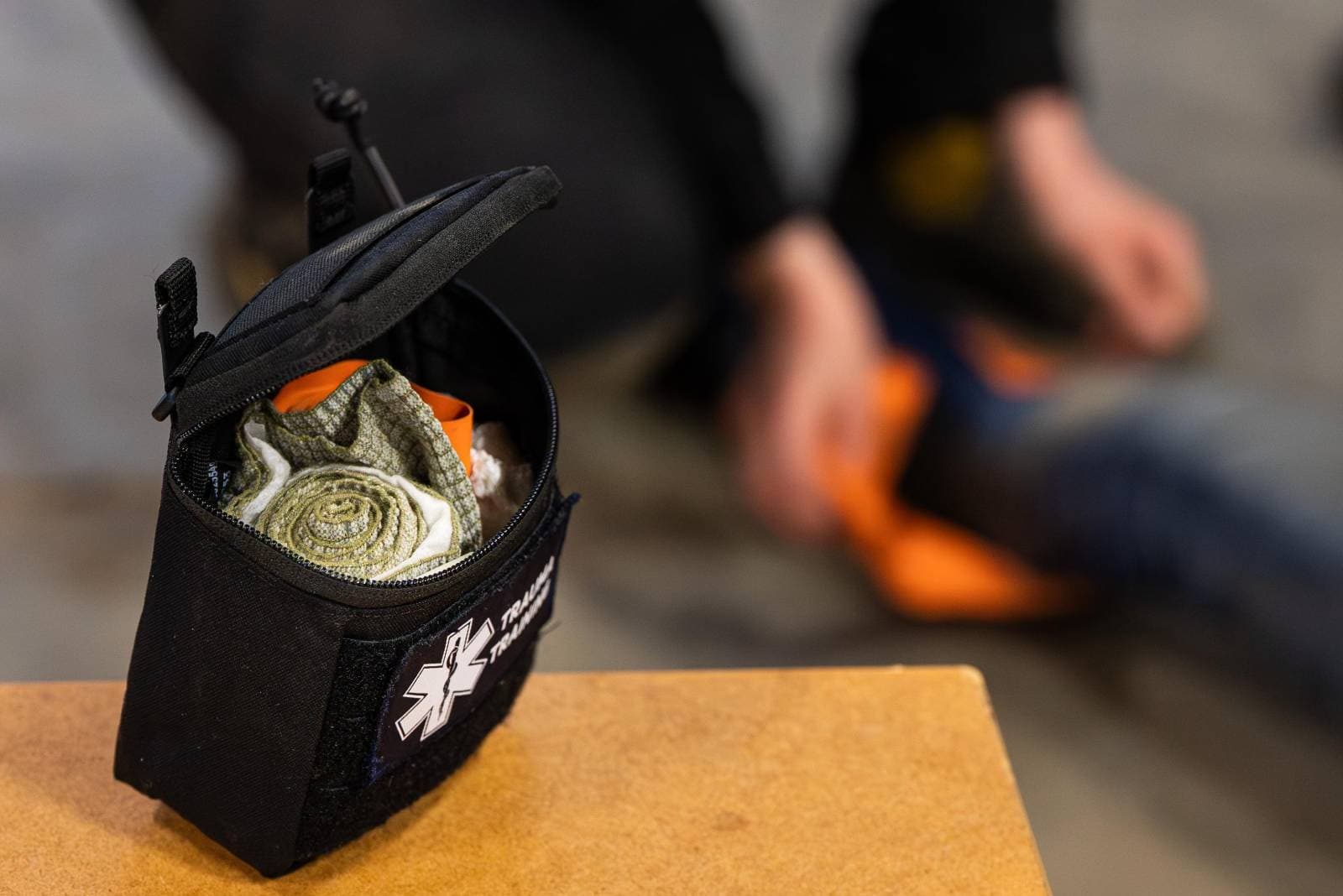
For travelling personnel.
Read more
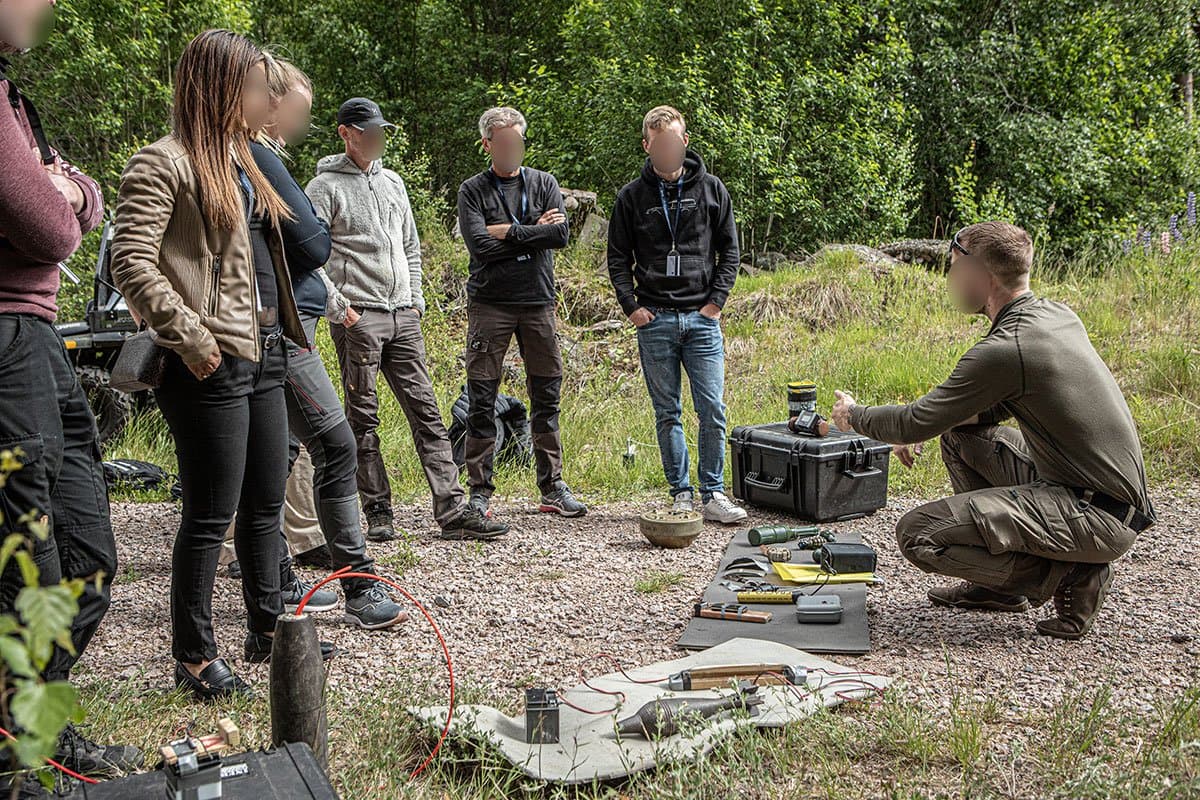
Injuries far from help, in forest and remote country — including first aid for dogs.
Read more
Tell us your risk picture and who carries the responsibility. We come back with level, format and what it takes to keep it current.
See the four levels
Who we train
Work environment responsibility, business travel and personnel who need to act before the ambulance arrives.
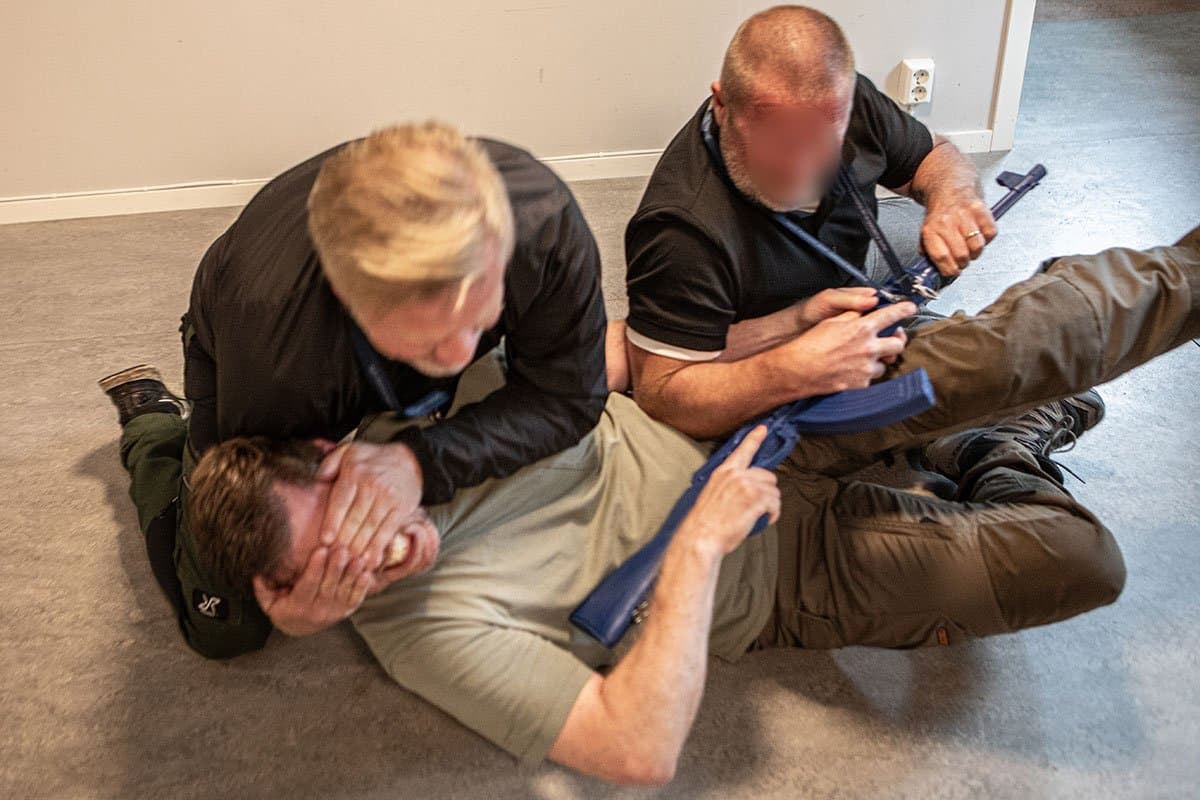
Schools, healthcare, authorities and public environments where many people gather. Most of them are not medics.
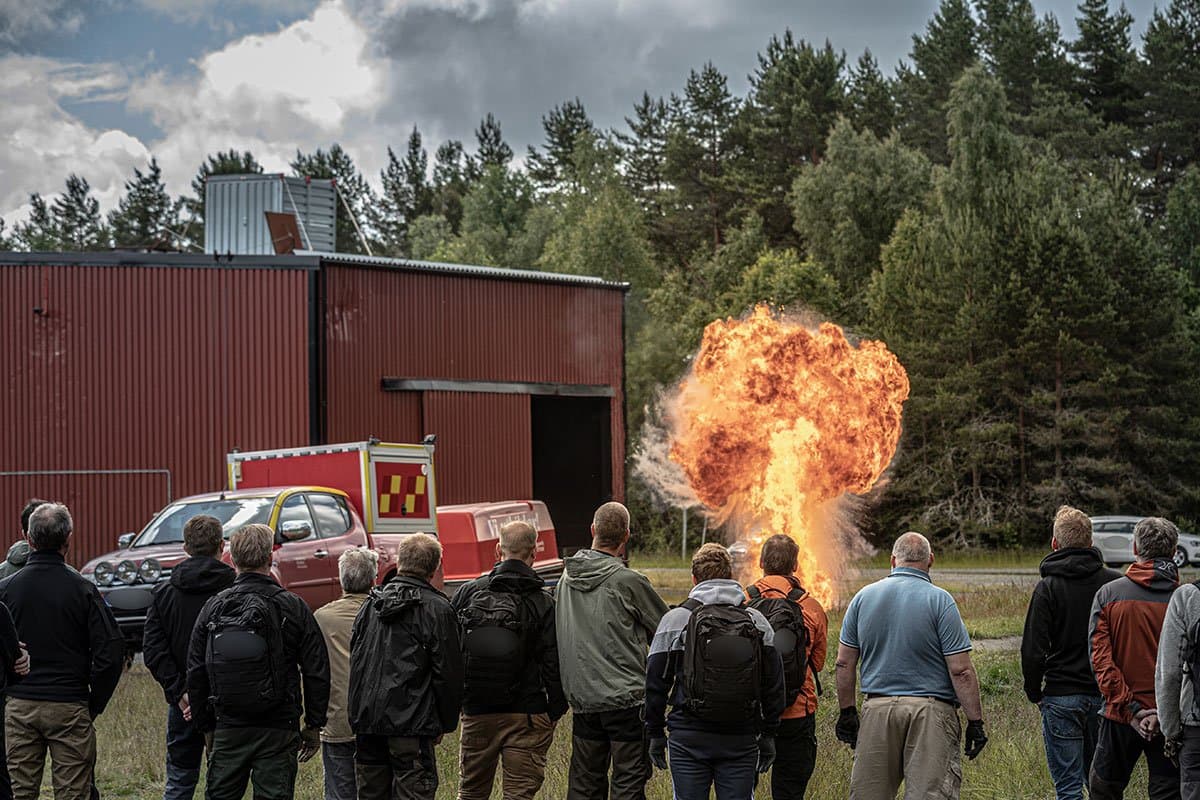
This is where krigssjukvard.se is aimed — our platform for military medical training.
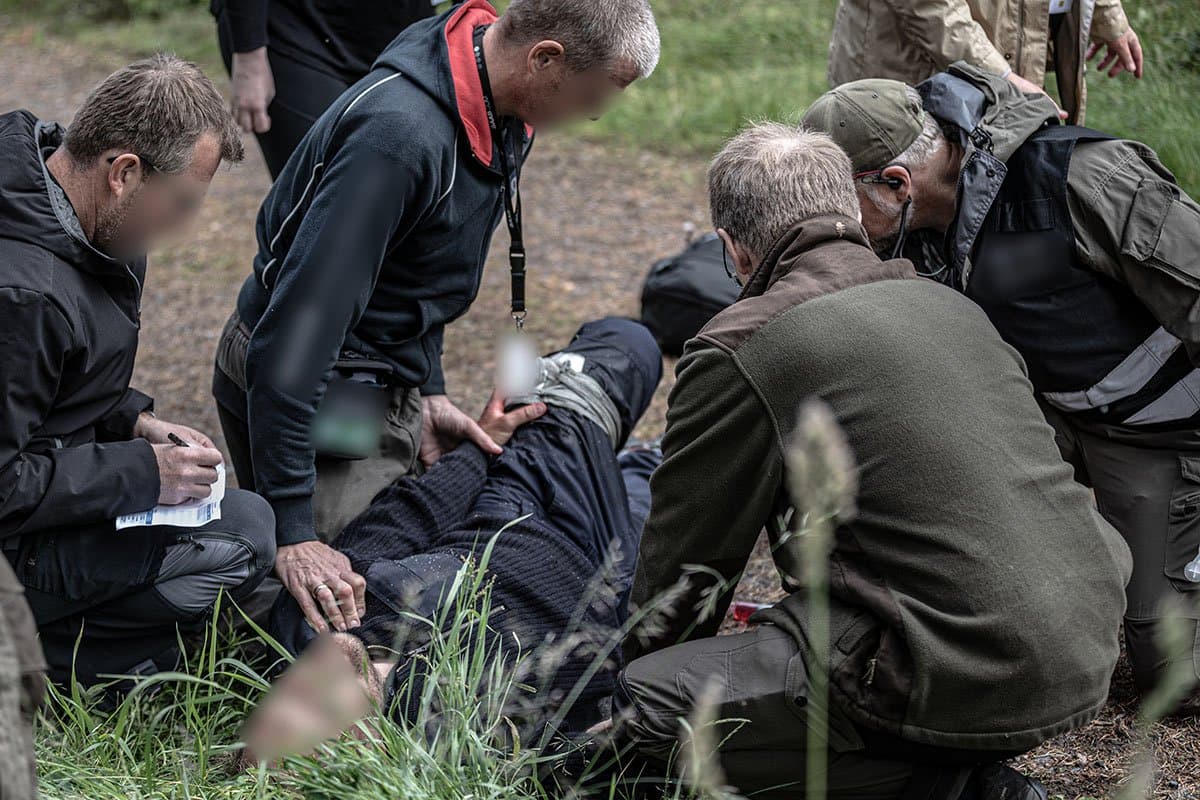
Injuries a long way from help. People, dogs, terrain and time-critical care.
Why DRS
In serious accidents, violent incidents and crises, what is usually missing is the ability to act under pressure. We train decisions, prioritisation and action — not checklists for the shelf.
Participants practise under time pressure and in environments that resemble their own.
We train what decides the outcome: seeing, choosing and acting when the information is incomplete.
Capability is followed up over time. Because skills decay, we train to maintain that capability.
Coming — krigssjukvard.se
krigssjukvard.se is our platform for military medical training. It frames the physical course with digital pre- and post-courses — pattern recognition and triage before, hands-on scenarios during, reflection and repetition after. Focus is on DNBI and daily medical care, which is what causes most losses in a conflict.
In development — piloting with early-access units
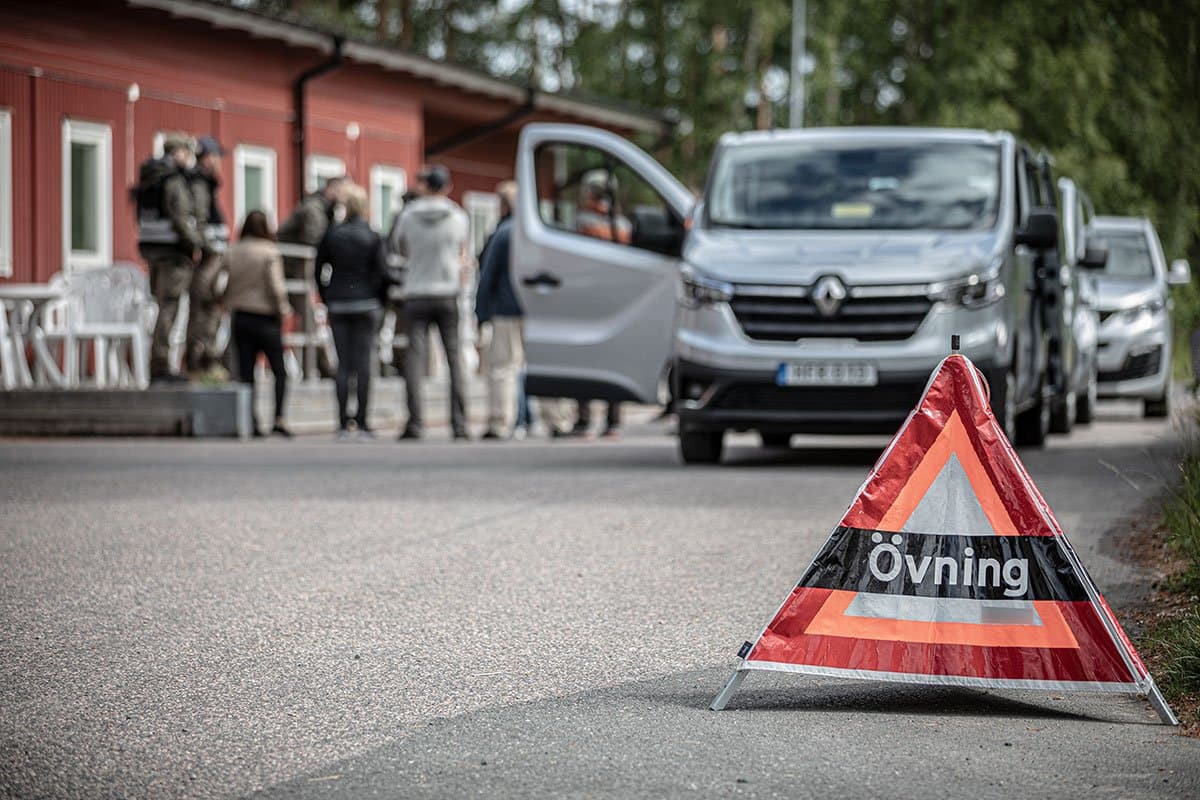
Whether you need half a day of first aid or a full DRT programme for travelling personnel — we adapt content, pace and scenarios.