Theory in advance
Terminology and equipment familiarity are covered before we meet, so nobody spends the course day being lectured at.
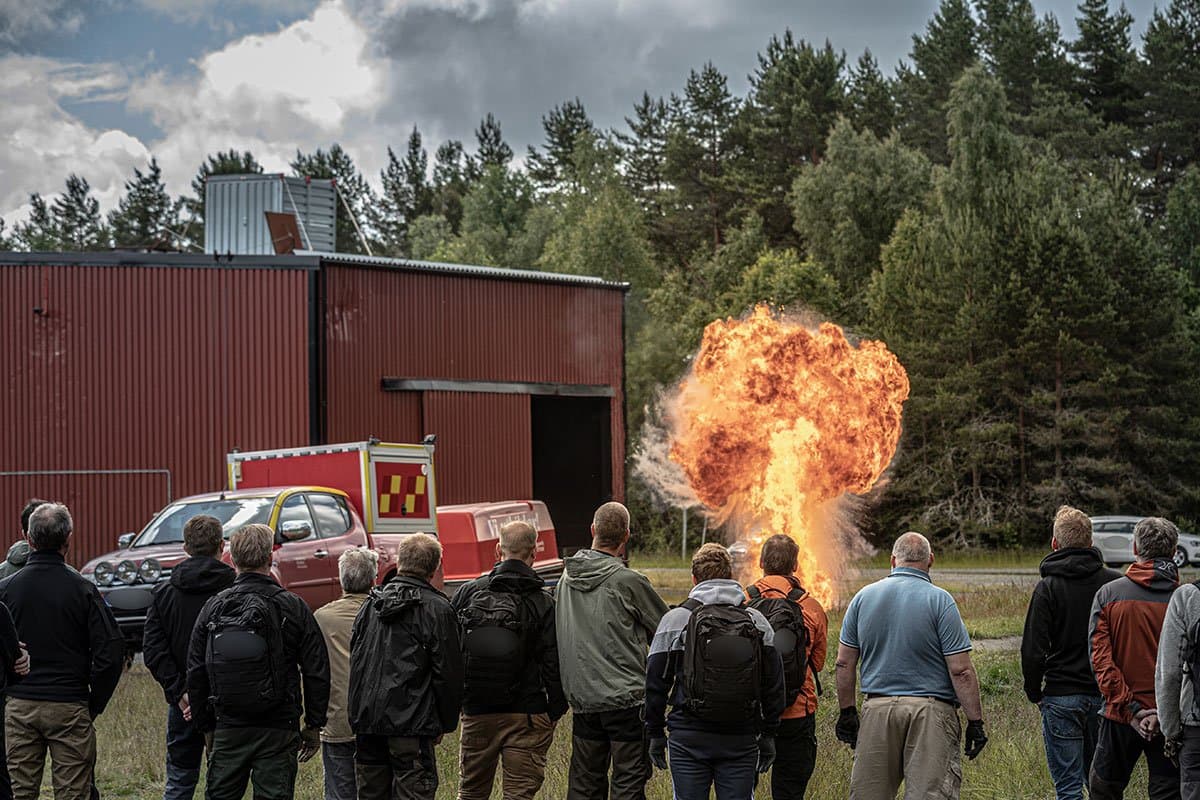
Training
The levels can be combined or tailored. You choose the depth by risk, responsibility and how far away help is. All instructors are licensed ambulance nurses.
Training levels
Most organisations start at the first two. Which level you need is set by what you are actually responsible for.
For all workplaces. Primary care according to LABCDE, CPR and defibrillator.
When professional help is a long way off.
For personnel who travel for work.
Care in forest and remote country, including first aid for dogs.
The courses
Six programmes that can be combined. Start with what matches your risk picture.
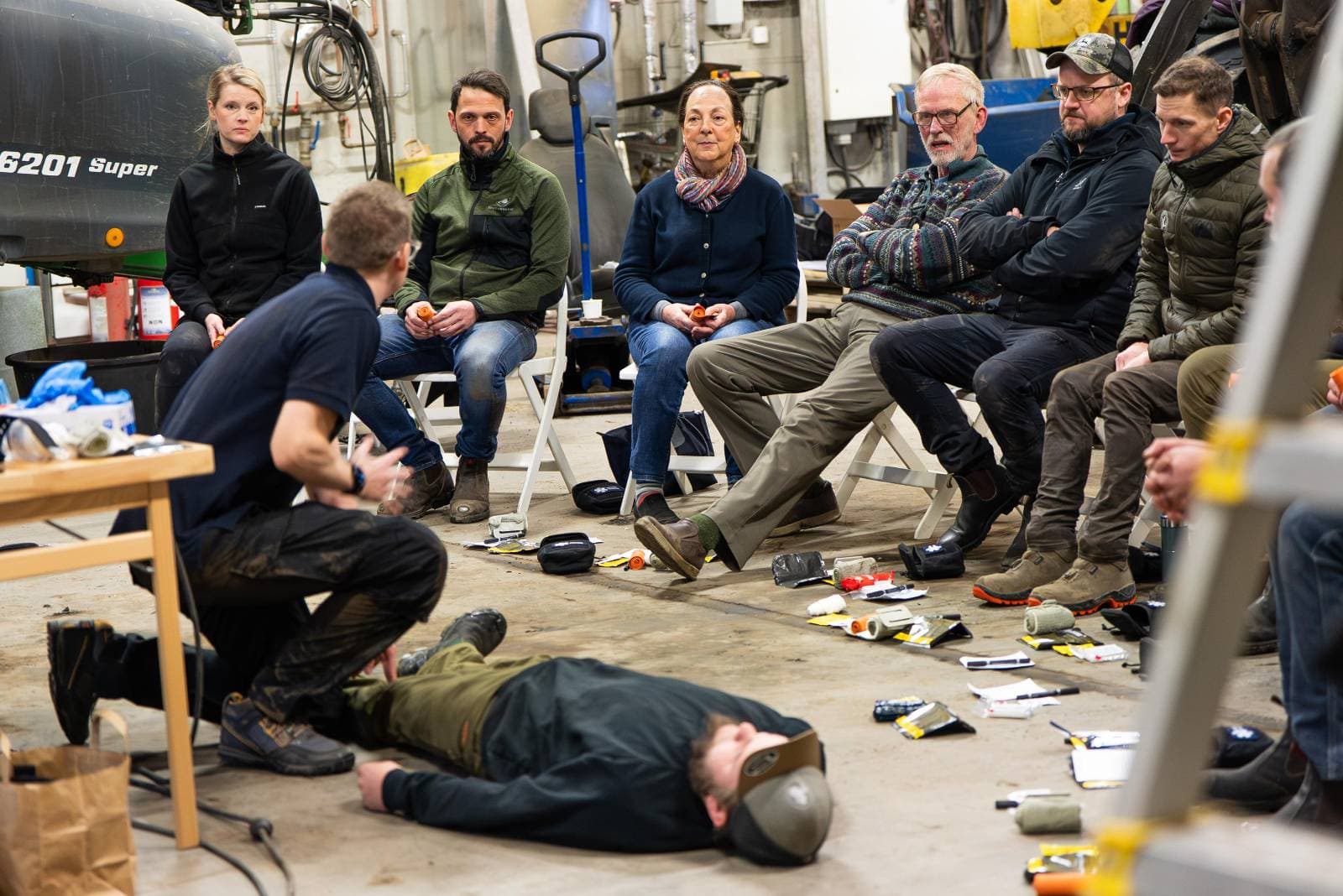
Primary care for every workplace: LABCDE, CPR and defibrillator. The participant learns to make the scene safe, assess in a fixed order and act before the ambulance arrives.
Read more
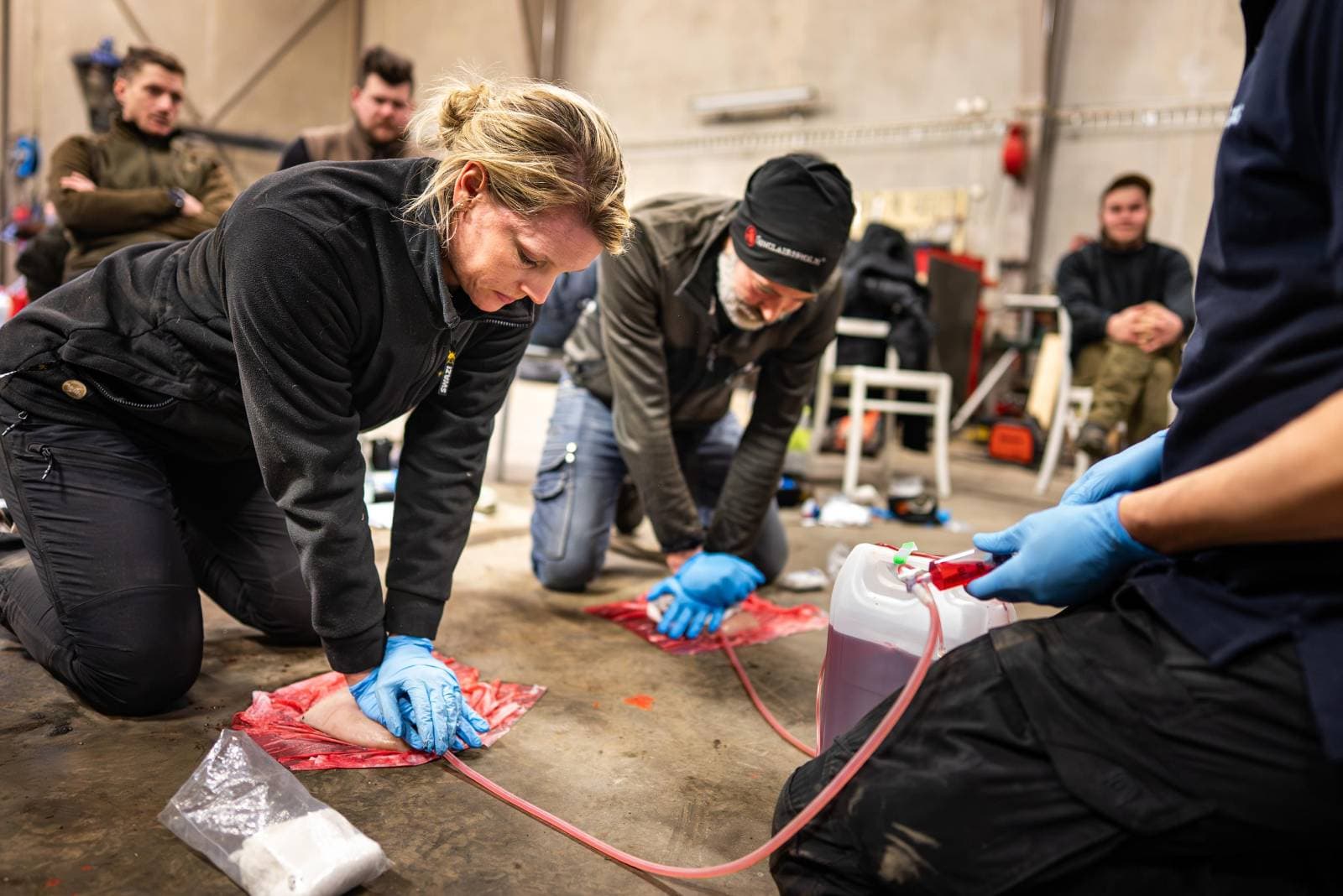
Stop life-threatening bleeding before the ambulance arrives. Direct pressure, packing and tourniquet, trained on the equipment you will actually have on hand.
Read more
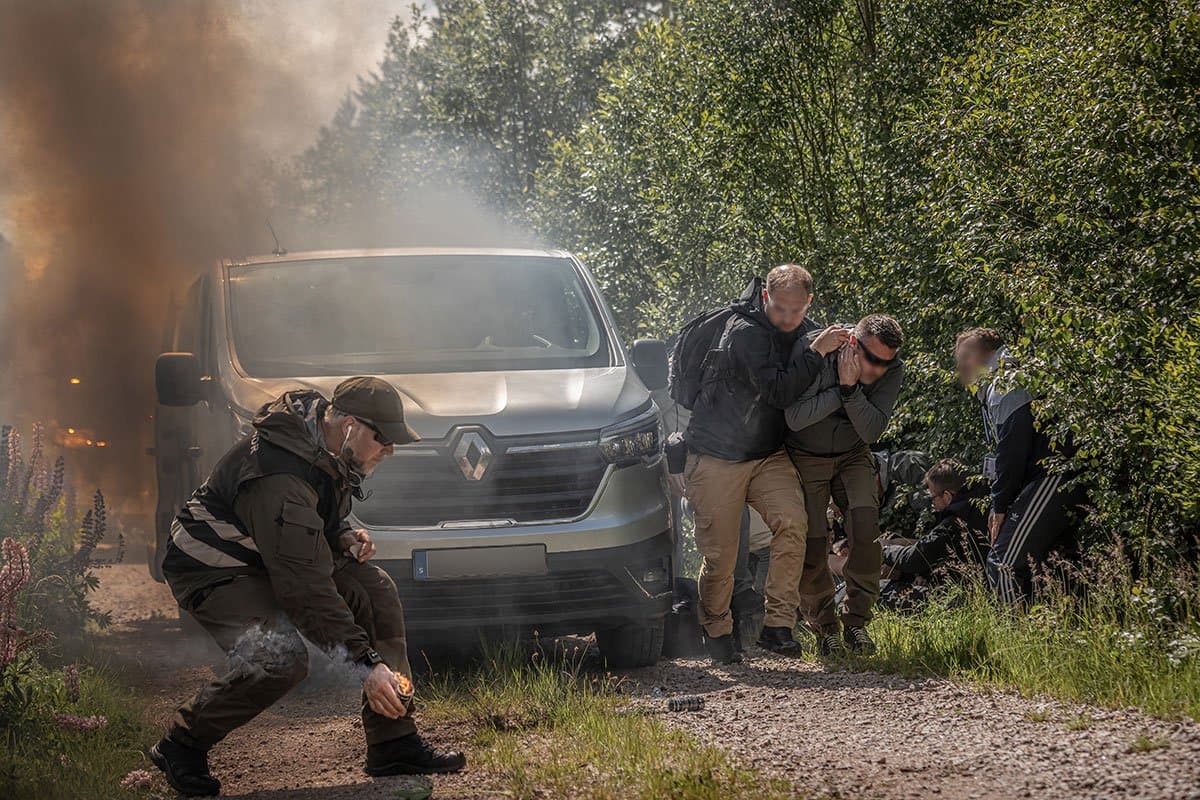
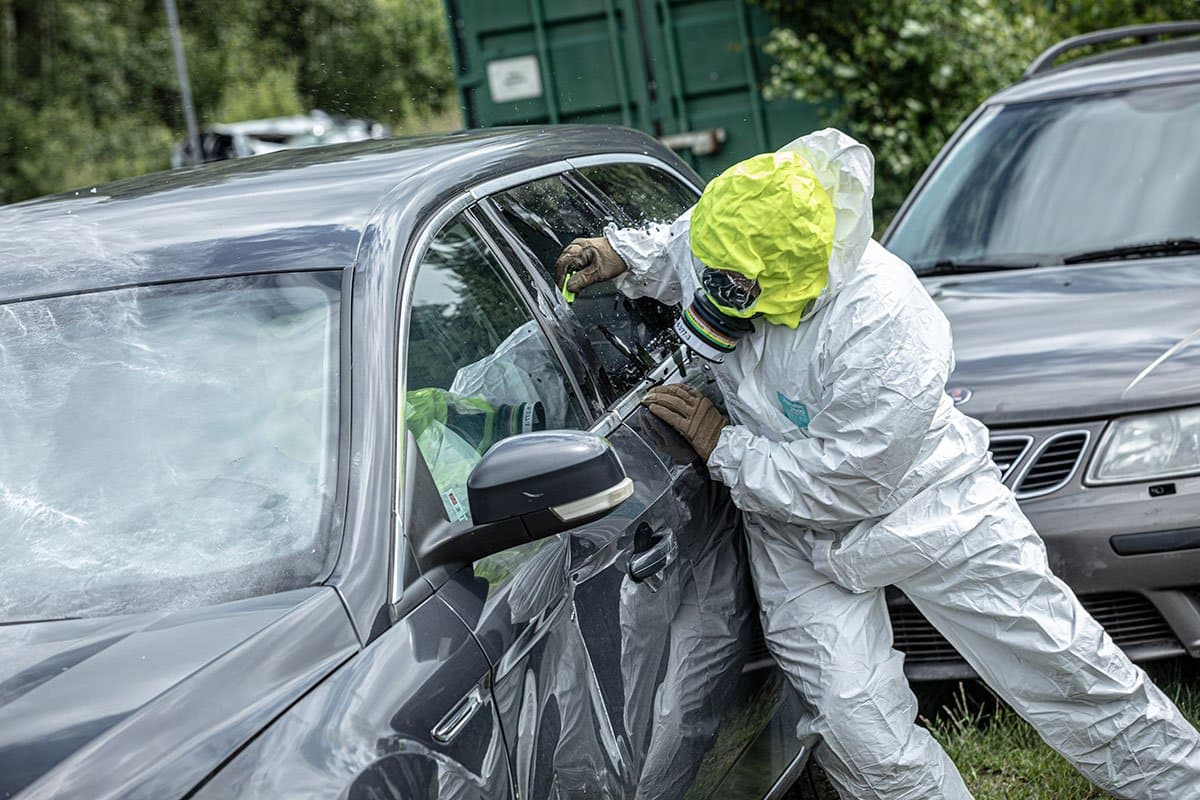
Prevent, decide and act. Built for staff with a duty of care rather than for security professionals.
Read more
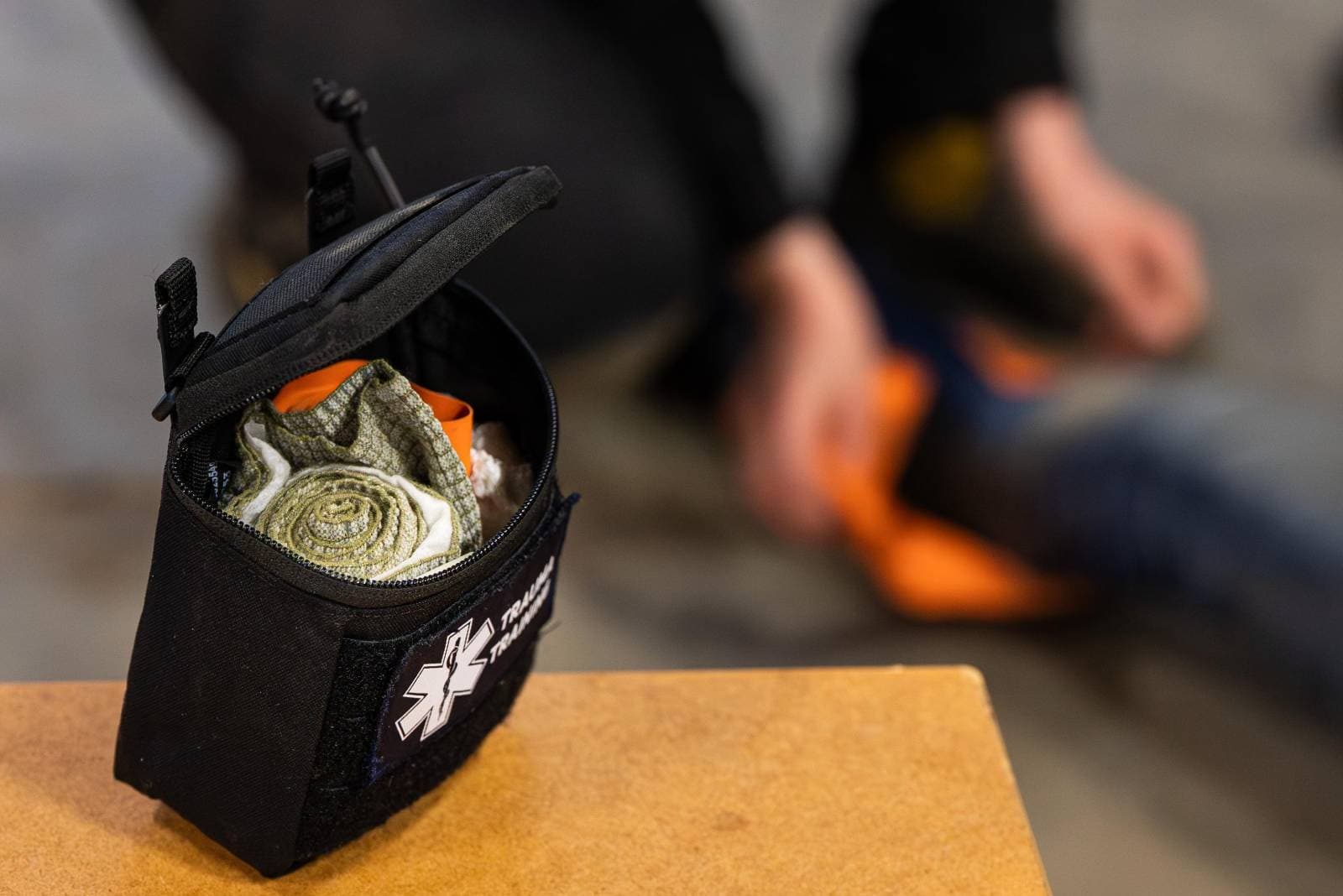
For management, key roles and personnel who travel on assignment in Sweden or abroad, where the employer carries a far-reaching duty to train them.
Read more
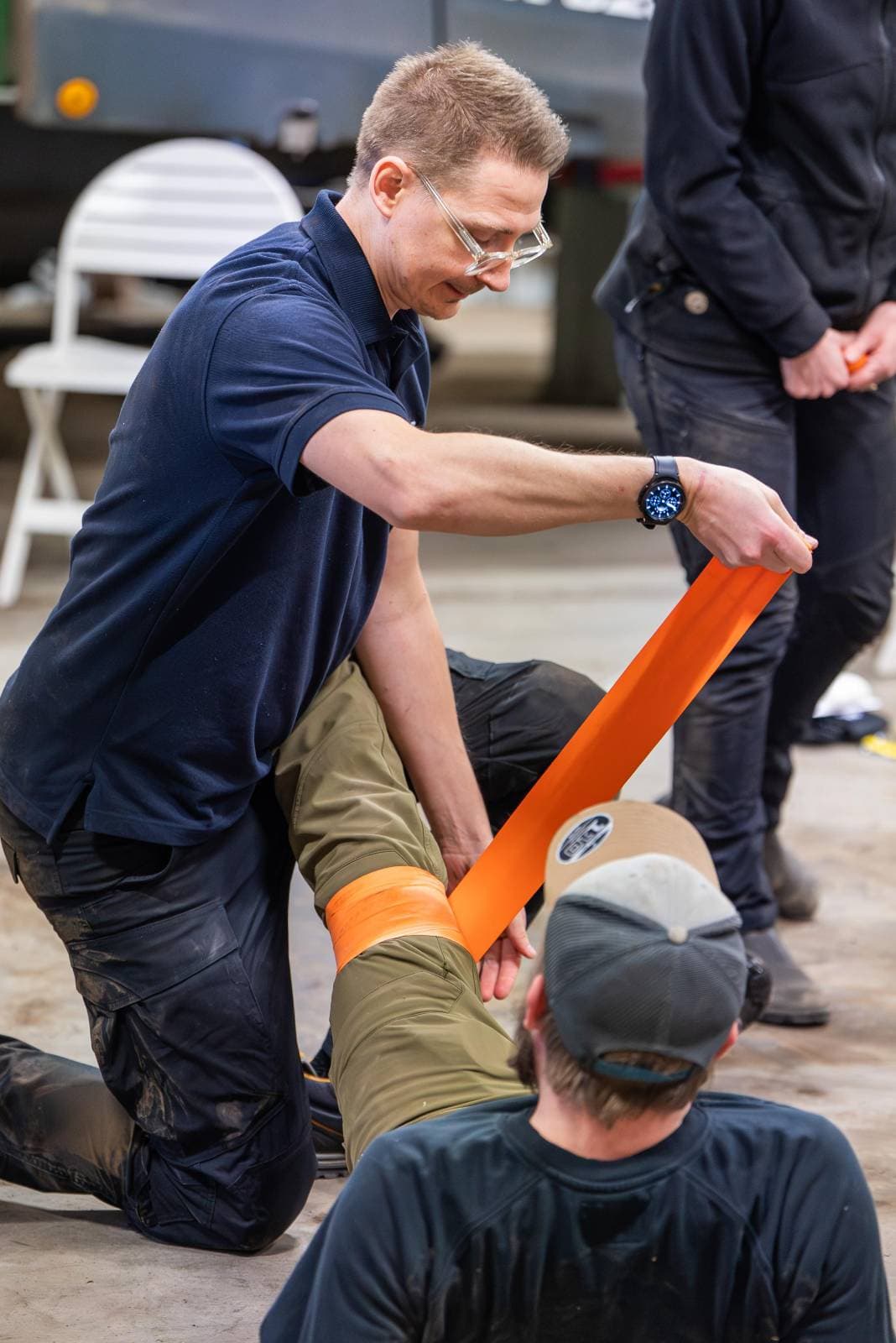
ERT, or "Emergency Response Training", is for groups that need to act together as a team rather than as individuals, with clear roles and a shared sequence.
Read more
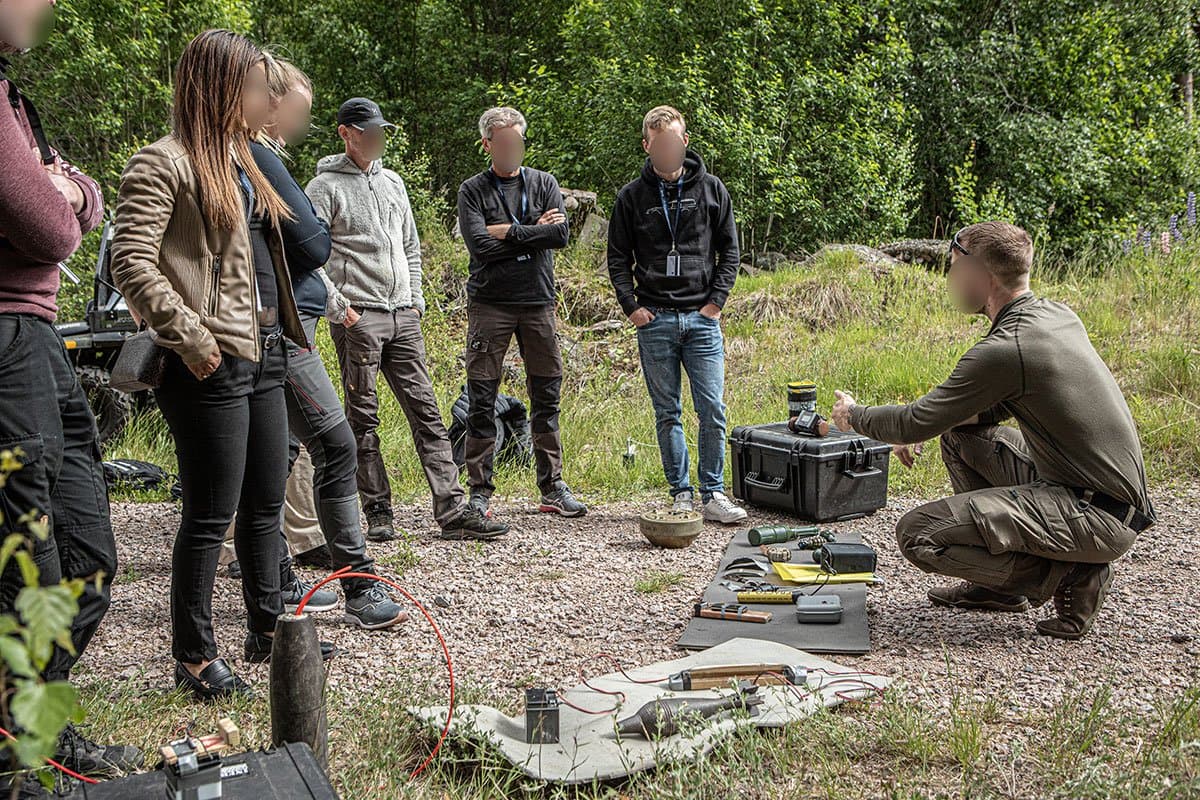
Injuries a long way from help, in forest and remote country. People and dogs, terrain and time-critical care.
Read more
How a programme runs
Terminology and equipment familiarity are covered before we meet, so nobody spends the course day being lectured at.
Handling, scenarios and decisions under stress, in environments that resemble your own.
Repetition and follow-up between sessions. For military medical training this is what krigssjukvard.se is being built to carry.
Instructors
All our instructors are licensed ambulance nurses. Several have experience from air ambulance, international deployments and government assignments. Researchers and educators work with them when a programme is designed.
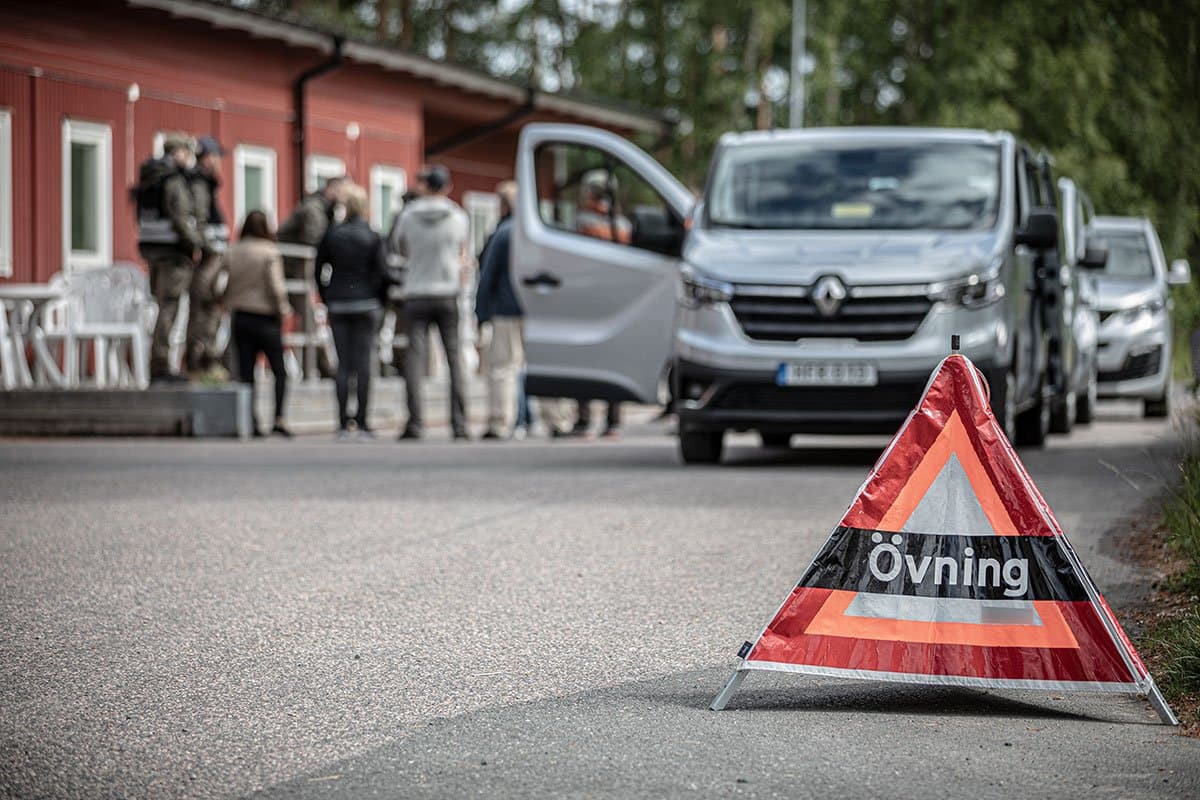
We adapt content, pace and scenarios, and come back with a proposal for level and format.