Fewer risky transports
Every rearward transport ties up resources and exposes both patient and crew to risk.
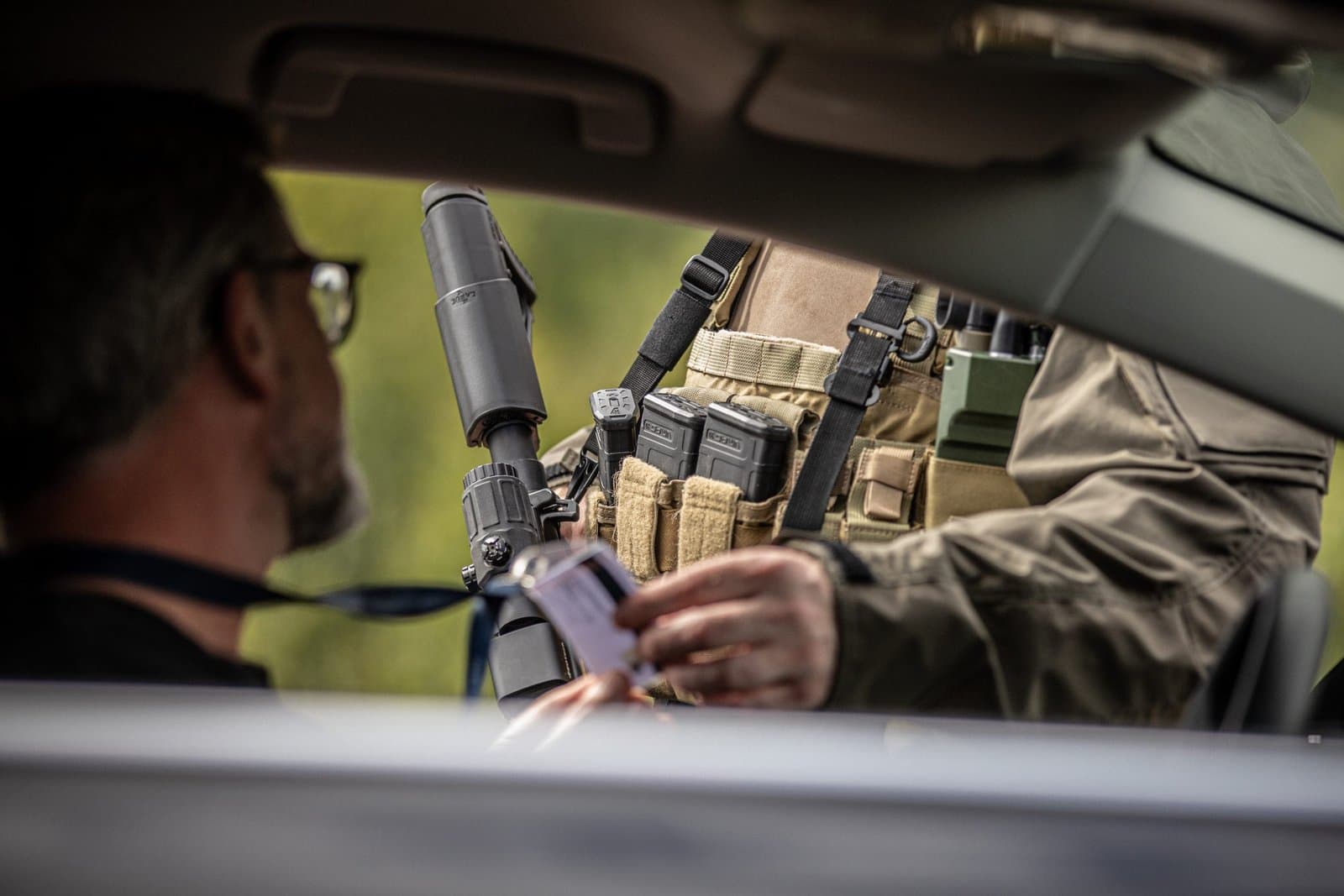
Flagship project — krigssjukvard.se
A DRS project with a particular focus on military medical training. A digital training platform frames the physical course — before and after — so course time is used for training instead of briefings.
What is trained
What causes most losses in a conflict is not trauma alone. DNBI — disease and non-battle injuries — accounts for the majority. Participants are trained to recognise patterns in the swarm of symptoms that arrives with a patient, triage quickly and decide on action. Prior knowledge is required.
WHITE
Minimal
GREEN
Can wait
YELLOW
Urgent
RED
Immediate
A structured assessment that produces a decision rather than a feeling — the same logic as NEWS2 in an emergency department.
Effect in the field
The purpose is for more correct decisions to be made closer to the front, so that as many as possible can return to duty instead of being sent back up the chain of care by default.
Every rearward transport ties up resources and exposes both patient and crew to risk.
The more qualified resources receive the patients who actually need them.
Faster return keeps the unit's strength up over time, not just on a single occasion.
Skills decay. The platform keeps the decision pattern in rotation and shows the unit where it actually stands.
How it fits the course
Participants start from a higher level, so the physical course can focus on scenarios and hands-on work. Afterwards the pattern training continues, with gamification driving the repetition.
Theory, terminology and equipment familiarity are done before participants arrive.
The full course time goes into hands-on skills, scenarios and decisions under stress.
Repetition and follow-up keep the capability alive between course sessions.
System flow
Build the initial pattern. See the situation. Establish safety. Act with intent.
Train the algorithm that matters when time, information and attention are limited.
Turn observations into a structured decision sequence with clear priorities.
Sort patients by priority so the right ones stay forward and the right ones move back.
Track progression and return to the exact decision pattern that needs work.
Skills decay. A medic who ran the sequence perfectly in June is a different medic in November, and nobody finds out which until it counts. krigssjukvard.se keeps the decision pattern in rotation between courses, and shows the unit where it actually stands.
See the training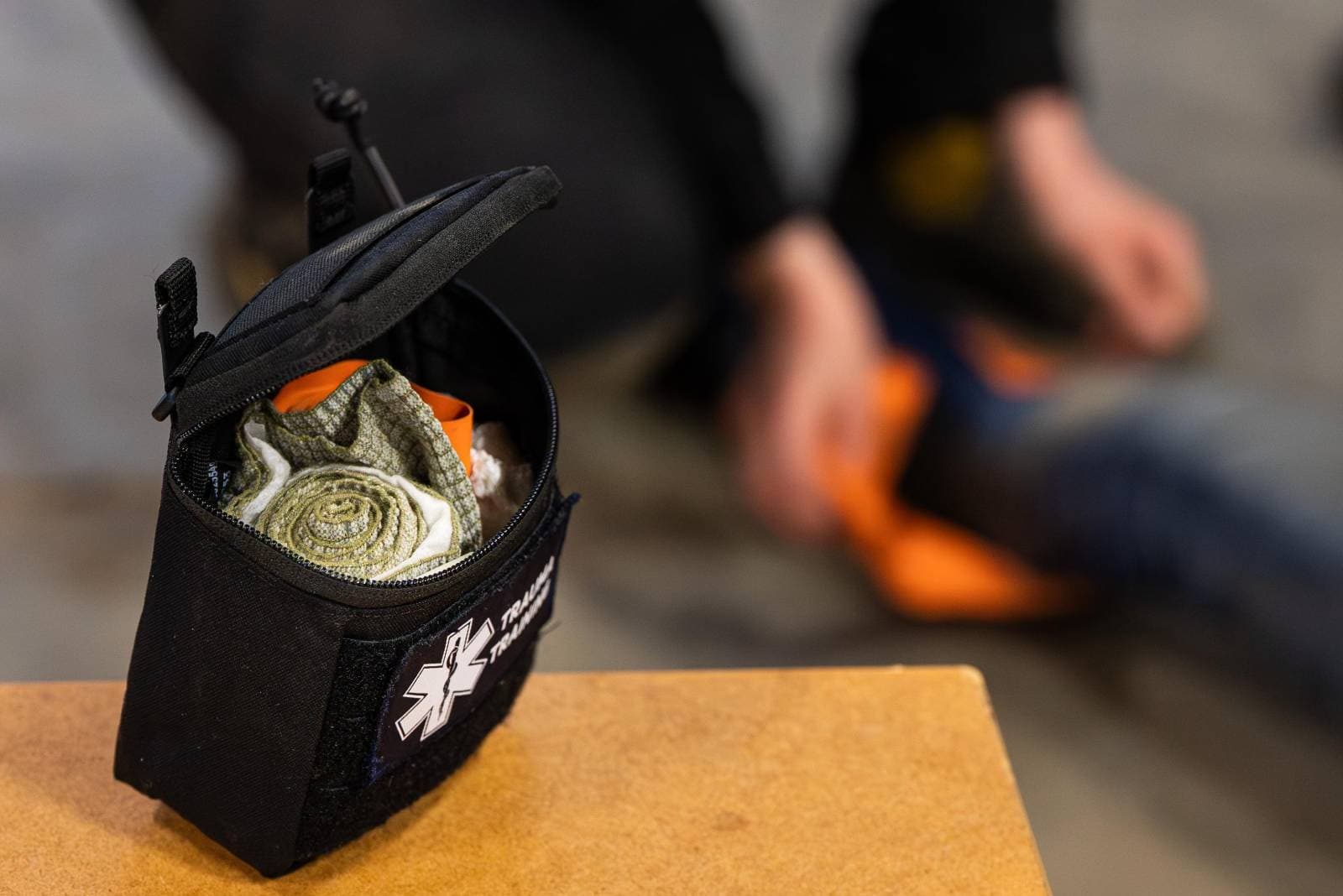
We take on early users as the platform develops. Get in touch to discuss fit and timing.